💡 Key Takeaways
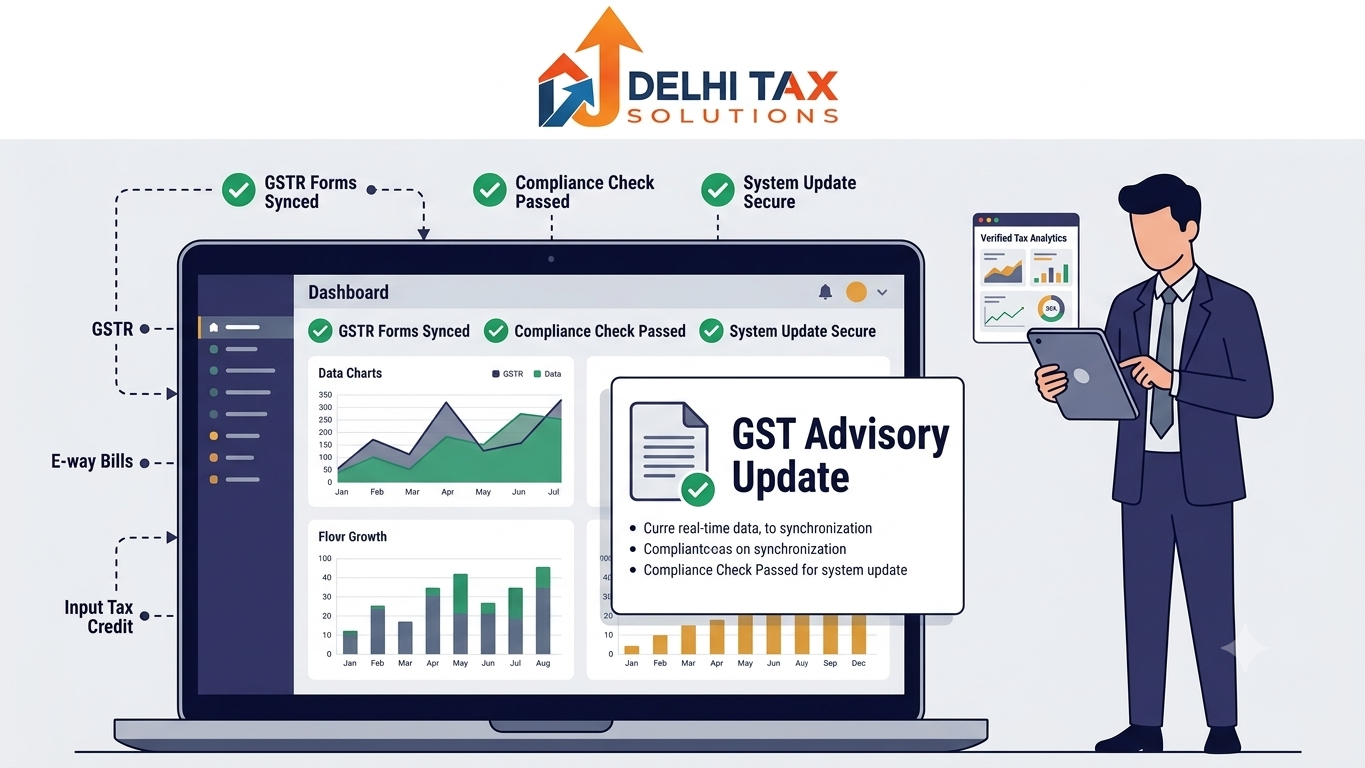
- The latest GST portal update advisory introduces enhanced schema validation rules for monthly returns.
- Taxpayers must verify their ERP configuration against official portal updates to prevent filing rejections.
- Automated error-handling mechanisms on the official GST Portal streamline mismatch resolutions.
- MSMEs should conduct monthly reconciliations early to avoid last-minute portal congestion.
- Delhi Tax Solutions offers expert advisory to navigate complex portal notifications seamlessly.
Navigating India’s indirect tax infrastructure requires constant vigilance, especially as regulatory authorities roll out technical enhancements. Understanding the latest GST portal update advisory 2026 is essential for corporate accountants, startup founders, and MSME owners striving to maintain flawless compliance. Historically, sudden advisory releases and schema modifications on the government portal caught finance teams off guard, leading to filing rejections and technical bottlenecks. The contemporary digital ecosystem emphasizes proactive software synchronization and rigorous data validation. This comprehensive guide breaks down the core structural updates, technical troubleshooting steps, and actionable strategies your organization must implement to secure seamless monthly filings.
Understanding the Latest Portal Notifications
The Central Board of Indirect Taxes and Customs (CBIC) regularly releases technical advisories to upgrade the security, speed, and accuracy of indirect tax reporting. These updates often encompass modified JSON schema structures for GSTR-1, enhanced taxpayer authentication protocols, and tighter validation checks against auto-populated Input Tax Credit figures. Reviewing these notifications directly on the official GST Portal helps prevent compliance gaps.
When the portal introduces new error-handling codes or validation parameters, businesses utilizing professional GST Registration & Filing services experience fewer operational disruptions. Staying aligned with official circulars ensures that your monthly outward and inward supply summaries conform strictly to statutory standards.
Core Technical Changes in Return Filing
Recent portal enhancements focus heavily on automated data integrity. Taxpayers can no longer submit returns containing basic data discrepancies or mismatched GSTIN credentials. The system executes rigorous background checks before accepting JSON utility uploads.
Furthermore, integration with the Income Tax e-Filing infrastructure via Income Tax Department databases ensures cross-verification of business turnovers and entity details. For newly incorporated enterprises establishing robust accounting systems, securing proper documentation through Company Registration Online creates a solid operational foundation.
⚡ Quick Summary
Recent GST portal advisories enforce strict JSON schema validation and automated error checks. Proactive ERP synchronization and timely reconciliations are vital to avoid filing blocks.
Legacy Portal Filing vs. Updated Workflows
To appreciate how compliance standards have evolved, examine the operational differences between legacy filing methods and current portal workflows:
| Compliance Parameter | Legacy Portal Workflow | Updated 2026 Advisory Workflow |
|---|---|---|
| Schema Validation | Basic file format checks with minimal validation. | Rigorous real-time JSON schema verification. |
| Error Handling | Delayed batch error reports post-submission. | Instantaneous error code generation upon upload. |
| Data Synchronization | Periodic manual refreshes and offline matching. | Continuous API-based ledger synchronization. |
| Advisory Access | Scattered notifications across multiple circulars. | Centralized dashboard advisories and pop-up alerts. |
Troubleshooting Common Portal Errors
Technical glitches and validation errors during peak filing windows can jeopardize business liquidity and punctuality. When finance teams encounter error codes such as schema mismatch or digital signature token failures, a structured troubleshooting approach is required.
Organizations should maintain updated browser environments, clear cache data regularly, and verify that accounting software patch updates align with latest portal advisories. For comprehensive business compliance management, partnering with experts via Business Licenses and Compliance Hub ensures total operational readiness.
Action Plan for ERP and Software Readiness
Adapting to recurring portal updates requires proactive technological alignment. Organizations should execute the following checklist to ensure uninterrupted filing compliance:
- Monitor Official Notifications: Regularly check the advisory section of the GST portal for newly introduced validation rules.
- Update Accounting Software: Ensure ERP systems (Tally, SAP, Zoho) incorporate the latest JSON schemas and API connectors.
- Conduct Staging Tests: Test return filing uploads in sandbox or offline utility modes before final submission.
- Train Finance Personnel: Educate internal accounting teams on new error codes and immediate resolution protocols.
Conclusion
Staying informed about every GST portal update advisory is crucial for maintaining corporate compliance and protecting working capital. By embracing real-time schema validation, upgrading ERP infrastructure, and adopting rigorous internal review protocols, businesses can navigate regulatory shifts with absolute confidence. Partnering with seasoned professionals at Delhi Tax Solutions ensures your enterprise stays ahead of every technical mandate.
Frequently Asked Questions (FAQs)
+ Q: What do the latest GST portal update advisories mean for registered taxpayers?
A: The latest GST portal update advisories introduce enhanced JSON schema validation rules, stricter data integrity checks, and automated error-handling protocols designed to streamline monthly GSTR-1 and GSTR-3B filings while preventing fraudulent or erroneous credit claims.
+ Q: How can finance teams resolve common schema validation errors on the GST e-filing portal?
A: Finance teams can resolve schema validation errors by updating their accounting software to the latest version supporting official JSON formats, verifying GSTIN credentials, clearing browser cache, and testing return files through offline utility tools before final portal submission.
+ Q: Do recent portal changes impact monthly GSTR-1 and GSTR-3B filing deadlines?
A: While statutory filing deadlines remain unchanged under the CGST rules, recent portal updates enforce stricter validation checks that can cause temporary upload rejections, making early reconciliation and filing essential to avoid late fees.
+ Q: How should businesses update their ERP software following new GST portal notifications?
A: Businesses should collaborate with their ERP vendors (such as Tally or SAP) and certified GSPs to deploy official patch updates that incorporate new JSON schemas, API enhancements, and automated error-detection filters.
+ Q: Where can taxpayers find official verified circulars and advisory documents on the GST portal?
A: Taxpayers can access official verified circulars, advisory notes, and technical update manuals directly under the ‘News and Updates’ or ‘Advisories’ section on the official GST e-filing portal home page.
About this article: Researched using official government sources, real-time competitor and search-trend analysis, and Delhi Tax Solutions’ in-house tax advisory team. Last updated October 2026.
Disclaimer: This article is for general informational purposes and is not a substitute for personalised professional tax advice.